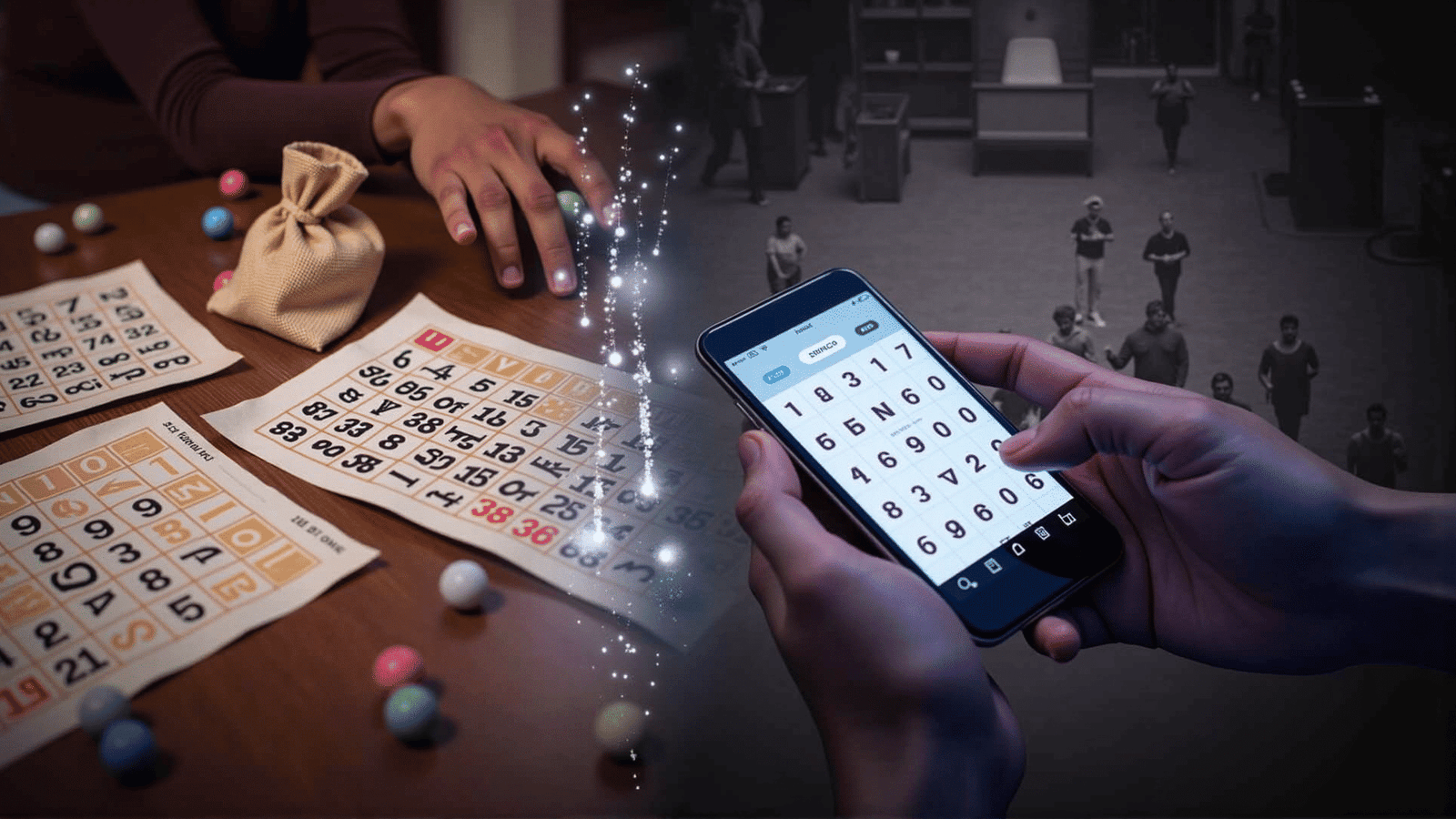
In today's digitally driven world, many classic games have found new life on virtual platforms. Bingo, a game cherished by many for its simplicity and social aspect, is no exception. The leap from paper cards to digital screens has transformed how players engage with this traditional pastime, offering fresh dimensions to the experience.
Originally, bingo required players to mark numbers on paper cards as they were called out, hoping to complete a line or pattern before others. The game was often played in community centers or halls, fostering interaction and camaraderie among participants. Yet, as technology expanded its reach, so too did the methods through which bingo could be enjoyed.
The introduction of online platforms has made bingo accessible anytime, anywhere. Virtual rooms replicate the basics of the traditional game but with a twist. Enhanced graphics and interactive features add layers of excitement. Online chat functions can mimic the sociable atmosphere of a bingo hall, allowing players to connect from different locations while sharing in each other's successes.
Moreover, digital versions of bingo come in various forms, catering to a wide range of interests. Some versions incorporate themes or licensed characters, breathing new life into the game with creative narratives and variations in gameplay. This evolution has not only attracted new players but has also retained seasoned enthusiasts by offering the classic elements they love alongside these novel enhancements.
The adaptability of digital bingo extends beyond visuals and themes. One significant advantage is the ability to automate daubing, letting players focus on the social and strategic aspects without missing out due to overlooked numbers. Furthermore, advanced algorithms ensure fair play and random number generation, instilling confidence and integrity in the digital versions.
For many, the allure of online bingo also lies in its accessibility and convenience. Players can join games with a few clicks, without physical travel or constraints posed by traditional bingo timings. This inclusivity broadens the community, welcoming enthusiasts from all walks of life, regardless of location or schedule.
In conclusion, the transition of bingo from cards to screens highlights an impressive blend of tradition and innovation. While maintaining the essence of what makes the game enjoyable, digital platforms have expanded its appeal, creating a more dynamic and diverse landscape. As technology continues to evolve, the future of bingo seems promising, poised to deliver even more engaging experiences for its players.