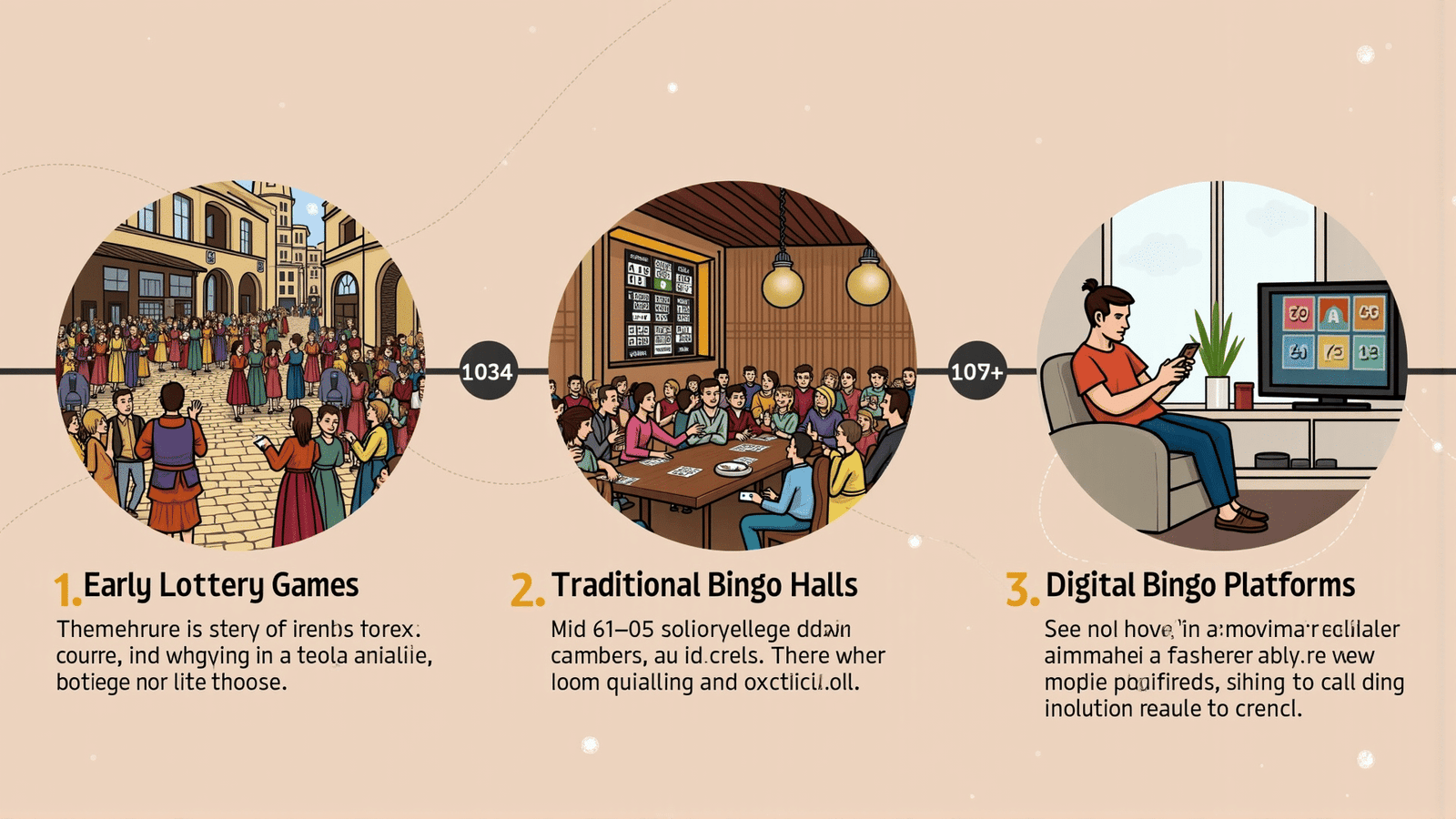
The fascinating journey of bingo spans centuries and continents, evolving from a simple game with educational roots into a beloved pastime enjoyed by millions around the globe. This journey reflects both historical transitions and technological advancements.
The origins of bingo can be traced back to 16th-century Italy. It began as a form of lottery known as "Il Gioco del Lotto d'Italia," which was played every Saturday. Italians embraced this format as part of their national tradition, and it laid the foundation for games of chance that would emerge across Europe.
As the concept traveled north, it found new life in France in the 18th century. Known there as "Le Lotto," it was particularly popular among the aristocracy. The French version of the game included cards divided into three rows and nine columns, a format that is still recognizable in the bingo cards of today.
The game continued to evolve as it made its way to Germany in the 19th century, where it took on an educational purpose. Teachers employed it to help students improve their mathematical skills and enhance their knowledge of history and spelling. This adaptation underscored the flexible nature of the game, demonstrating its potential beyond mere entertainment.
The modern incarnation of bingo began to take shape in the United States during the early 20th century. Originally known as "Beano," it was played at fairs and carnivals using dried beans, a rubber stamp, and cardboard sheets. Legend has it that a passionate player accidentally yelled "Bingo" instead of "Beano" when they filled a line, and the name stuck. Entrepreneur Edwin S. Lowe saw its potential and made it a cultural phenomenon by standardizing the game and marketing it broadly.
Throughout the 20th century, bingo gained immense popularity in community centers, churches, and local halls throughout North America and the United Kingdom. It became a social staple, particularly among certain age groups, because it offered a gathering spot for community interaction and entertainment.
The digital revolution of the late 20th and early 21st centuries transformed bingo yet again. With the rise of online platforms, it transitioned smoothly into the virtual realm, retaining its original charm while introducing exciting variations. These digital spaces allowed for greater accessibility and interaction, drawing in a diverse audience from all corners of the world. The online platforms continue to innovate, incorporating themes and new formats that appeal to younger generations.
Today, bingo stands as a testament to cultural adaptation and innovation. Its journey from an Italian lottery to a digital sensation showcases its enduring appeal and versatility. As technology continues to advance, one can only imagine the new horizons bingo will explore, opening doors to even more immersive experiences while preserving the communal spirit that has characterized it for centuries.