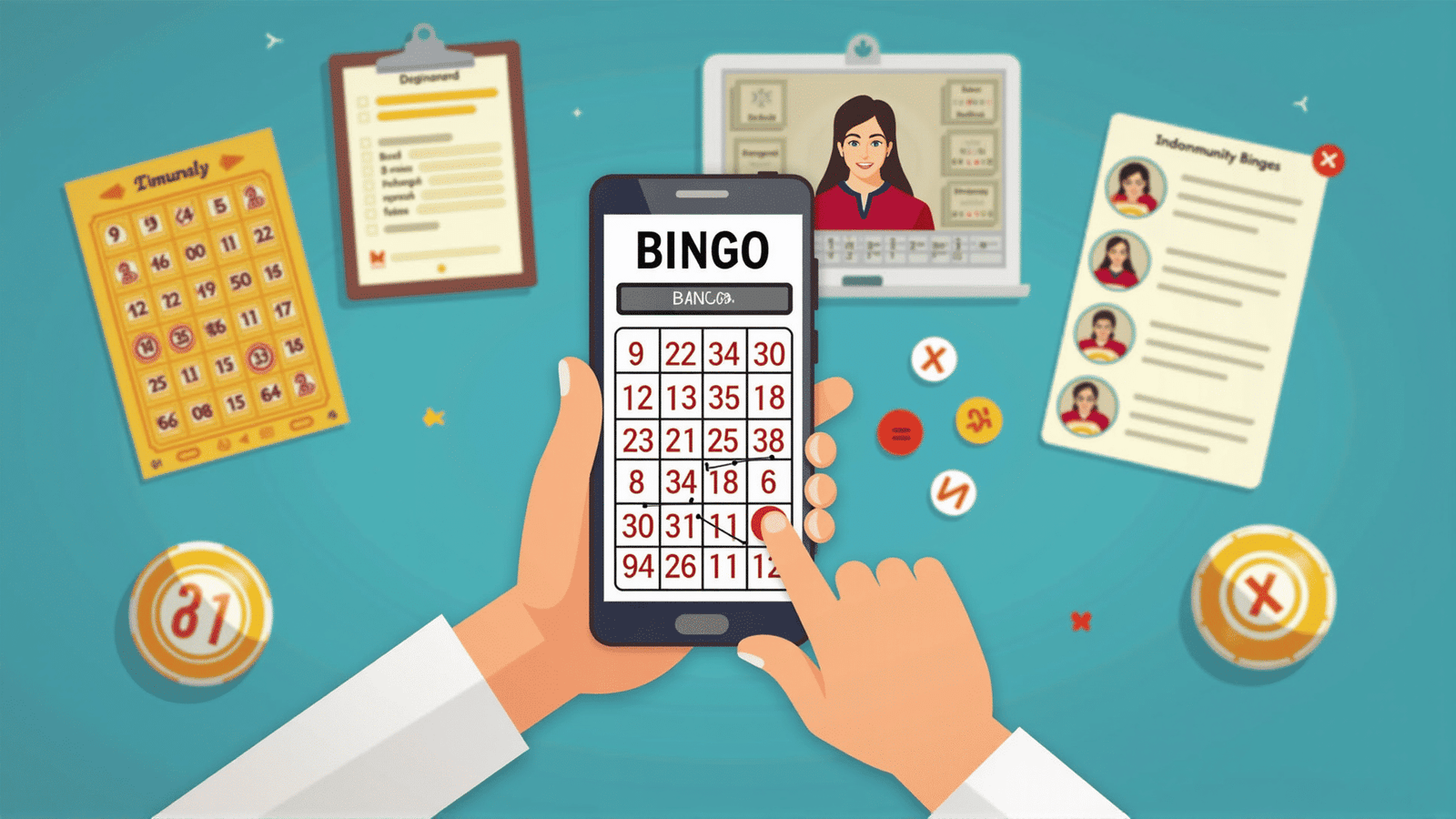
Bingo is a classic game enjoyed by people of all ages, celebrated for its simplicity and excitement. Whether played at a community gathering, in a dedicated hall, or online, it's important to understand the fundamental rules to fully appreciate this timeless pastime. This guide will provide essential insights into the gameplay, ensuring readiness for your next bingo session, whether it's your first time or you're a seasoned player seeking a refresher.
Game Setup
Bingo is played with a set of cards, each displaying a grid of numbers. The most common format for these cards is a 5x5 grid, with the center space usually marked as a "free" spot. The columns of the grid are labeled with the letters B-I-N-G-O. Each column corresponds to a specific range of numbers:
- B column: numbers 1–15
- I column: numbers 16–30
- N column: numbers 31–45
- G column: numbers 46–60
- O column: numbers 61–75
The numbers assigned to each space are usually randomized, ensuring each card is unique.
Gameplay
The game begins with the caller, who draws and announces numbers randomly. In traditional settings, the numbers are typically drawn using balls that are mechanically mixed and selected. As each number is announced, players check their cards and mark any matching numbers.
The main objective in bingo is to complete a specific pattern on your card. The most common goal is to be the first to mark a horizontal, vertical, or diagonal line, though variations of the game may require players to complete different patterns, such as an "X," corners, or blackout (covering the entire card).
Winning and Verification
When a player completes the required pattern, they must immediately announce it by calling out "Bingo!" The game momentarily pauses as the player's card is checked for accuracy. If all numbers are marked correctly and match the drawn ones, the player wins. In some variations, more than one pattern or card may be allowed to win, resulting in multiple winners in a single game.
Etiquette and Tips
- Listen Carefully: It’s crucial to pay close attention to the caller, ensuring that no numbers are missed. Some players prefer using daubers, which are special markers that quickly cover numbers on paper cards.
- Multiple Cards: Advanced players often manage several cards at once, increasing their chances of completing a bingo. It's advisable to only play with as many cards as you can manage comfortably.
- Respect the Caller: If you miss a number, wait for the next pause rather than interrupting the game. Many venues provide recaps or display the numbers prominently for players to catch up.
- Be Ready: When you believe you’ve won, call out promptly and confidently. Ensure that your voice is loud enough to be heard over the chatter of a busy room.
Variations
While the standard format is popular, many enjoy exploring different variations to keep the game fresh and challenging. Some common variations include:
- Four Corners: Players aim to mark just the four corners of their card.
- Postage Stamp: A smaller pattern involving any four numbers in a block on the card.
- Picture Frame: Filling all outer squares.
Understanding these fundamental rules ensures that you are prepared and can immerse yourself fully in the exciting world of bingo. Whether you’re socializing with friends or playing in competitive settings, bingo offers a blend of fun, strategy, and a bit of luck. Enjoy the thrill, and may your next game be a winning one!